Technologies and Trends Transforming the Landscape of Aluminum Foundry Workflow
The aluminum foundry market is going through substantial adjustments because of technical innovations. Automation, artificial intelligence, and sustainable techniques are at the leading edge of this makeover. These developments guarantee to boost performance, optimize production processes, and decrease environmental impact. As these patterns continue to progress, they increase vital questions about the future of aluminum production and its duty in numerous sectors. What effects might these changes hold for the market and its stakeholders?
Advanced Automation in Aluminum Foundries
As the need for reliable and premium aluminum products remains to climb, numerous foundries are increasingly embracing sophisticated automation innovations. aluminum casting company. These advancements improve different processes, boosting productivity and lowering labor expenses. Robotic systems, as an example, are used for jobs such as mold handling, putting, and finishing, guaranteeing consistency and accuracy
Automated quality assurance systems are additionally becoming typical, employing cameras and sensing units to detect issues in real-time, thereby decreasing waste and revamp. Additionally, the assimilation of programmable logic controllers (PLCs) enables better tracking and control of assembly line, promoting quicker adjustments in action to changing needs.
Additionally, using automated assisted vehicles (AGVs) maximizes material transport within the foundry, further improving operational performance. Via these developments, aluminum foundries are not just satisfying market needs however also positioning themselves as leaders in lasting manufacturing methods.
The Duty of Expert System in Production Optimization
Advanced automation modern technologies have set the phase for the assimilation of man-made intelligence (AI) in aluminum foundries, significantly boosting production optimization. AI systems evaluate large quantities of data produced during the manufacturing process, supplying understandings that lead to boosted performance and reduced waste. These systems can identify patterns and fads that human drivers may overlook, enabling anticipating upkeep and aggressive decision-making.
In addition, AI formulas enhance casting processes by adjusting parameters in real-time, making sure the highest possible quality output while minimizing issues. The application of equipment discovering in quality assurance processes additionally enhances precision, as AI can swiftly analyze item specifications against developed requirements.
Ultimately, the adoption of AI in aluminum foundries not just enhances operations but likewise equips workforce abilities, permitting a much more nimble and receptive manufacturing atmosphere. By harnessing these sophisticated technologies, foundries can accomplish considerable gains in performance and functional quality.
Lasting Practices and Their Influence on Environmental Footprint
How can aluminum foundries successfully reduce their environmental footprint while maintaining efficiency? One essential strategy is the adoption of lasting practices, which include reusing scrap aluminum to reduce waste and conserve energy. By making use of closed-loop systems, foundries can considerably minimize their dependence on virgin products, thus decreasing carbon exhausts related to extraction and handling.
Moreover, executing energy-efficient innovations, such as sophisticated melting heaters and warm recovery systems, can significantly reduce energy usage. Changing to sustainable power resources additionally enhances sustainability, permitting foundries to run with a reduced ecological impact.

Smart Manufacturing Technologies Enhancing Efficiency
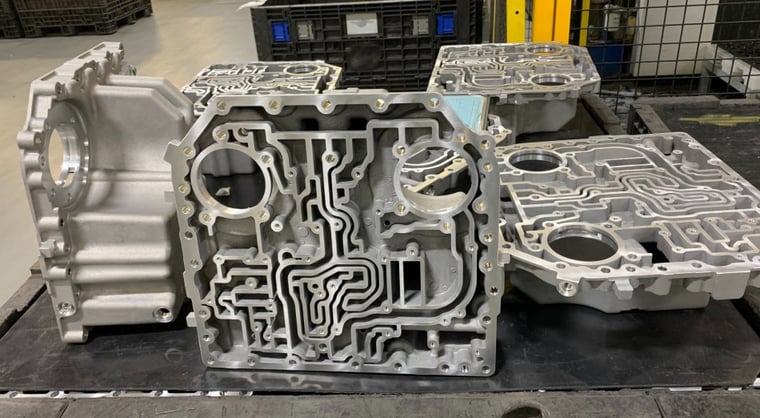
Robotic systems streamline site recurring tasks, making sure consistent high quality while freeing human employees to concentrate on even more facility responsibilities. Additionally, IoT connection facilitates seamless communication throughout the manufacturing line, improving coordination and responsiveness to market needs. Consequently, aluminum foundries can attain higher throughput and improved quality assurance, placing themselves competitively in a rapidly advancing industry landscape. The fostering of these clever modern technologies signifies Casting Foundry a transformative shift towards efficiency and innovation in foundry procedures.
The Future of Lightweight Aluminum Products in Various Industries
As sectors significantly prioritize sustainability and performance, the need for lightweight aluminum products is predicted to grow significantly. This shift is specifically apparent in fields such as automobile, aerospace, and construction, where lowering weight directly adds to boosted gas performance and reduced emissions. Makers are introducing in aluminum alloys and fabrication methods to produce elements that are not only lighter yet likewise stronger and much more durable.
The vehicle sector, for instance, is welcoming aluminum to meet rigid fuel economic situation requirements while preserving safety and security and efficiency. In a similar way, aerospace firms are leveraging light-weight aluminum to boost airplane performance. In construction, aluminum's adaptability permits ingenious designs that lower product use without compromising structural honesty.
As technology developments, including the combination of smart production and reusing procedures, the future of lightweight aluminum products appears intense, encouraging to support a more reliable and lasting commercial landscape.
Frequently Asked Questions
What Are the Main Difficulties Facing Aluminum Foundries Today?
Light weight aluminum foundries today deal with obstacles such as rising power costs, ecological regulations, labor lacks, competitors from innovative production modern technologies, and the need for boosted sustainability methods to fulfill market needs and customer expectations efficiently.
Exactly How Does Aluminum Recycling Effect Foundry Procedures?
Light weight aluminum reusing greatly influences foundry operations by lowering basic material expenses, advertising sustainability, and improving manufacturing effectiveness. It permits foundries to reduce waste while meeting raising need for eco-friendly practices in the aluminum industry.
What Accreditations Are Crucial for Aluminum Foundries?
ISO 9001 for quality administration, ISO 14001 for environmental management, and AS9100 for aerospace requirements are website link vital certifications for aluminum foundries. These accreditations enhance functional effectiveness, warranty product top quality, and advertise lasting techniques within the industry.
Just How Do Labor Costs Affect Aluminum Foundry Profitability?
Labor prices markedly impact aluminum foundry earnings, as higher incomes can reduce margins while reliable labor monitoring can improve productivity. Stabilizing these elements is important for keeping competitiveness and economic health and wellness in the market.
What Prevail Problems in Aluminum Castings and Their Reasons?
Usual issues in aluminum castings include contraction, porosity, and surface area blemishes. These concerns commonly develop from improper melting temperatures, insufficient mold and mildew design, and contamination during the spreading procedure, inevitably influencing the quality and performance of the end product.
Advanced automation technologies have established the stage for the combination of artificial intelligence (AI) in aluminum foundries, greatly boosting manufacturing optimization. aluminum metal casting. Just how can aluminum foundries efficiently lower their ecological footprint while preserving performance? While aluminum foundries face raising needs for efficiency and effectiveness, the integration of wise production modern technologies offers an engaging option. Aluminum recycling substantially impacts foundry procedures by reducing raw material prices, advertising sustainability, and improving production efficiency. Labor prices considerably influence aluminum foundry earnings, as greater salaries can reduce margins while efficient labor monitoring can boost productivity
Comments on “Exploring the role of Aluminum Casting in sustainable construction and infrastructure”